The wildLIFE Project
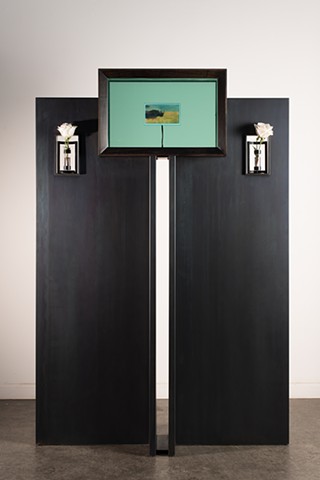
Cenotaph is constructed from steel and wood, forming a structure that houses a video monitor encased behind multiple layers of thick glass. The footage presents rhinoceroses in their natural habitat—moving, grazing, and inhabiting landscapes that once supported far greater numbers.
At the turn of the 20th century, an estimated one million rhinos existed across Africa and Asia. By 1970, that number had dropped to approximately 70,000. Today, only about 27,000 remain in the wild, with three of the five species classified as “Critically Endangered” by the International Union for Conservation of Nature (IUCN).
As the video sequence unfolds, the imagery shifts. The final moments reveal a rhinoceros in the aftermath of poaching, its body left behind after the removal of its horn—a material whose value in traditional medicine and ornamental use continues to drive illegal hunting. The layered glass both protects and distances the viewer, reinforcing the mediated way in which such loss is often encountered.
Functioning as a memorial without remains, Cenotaph reflects on absence, vulnerability, and the accelerating decline of a species. The work holds in tension what is seen—the living animal—and what is increasingly at risk of disappearing.