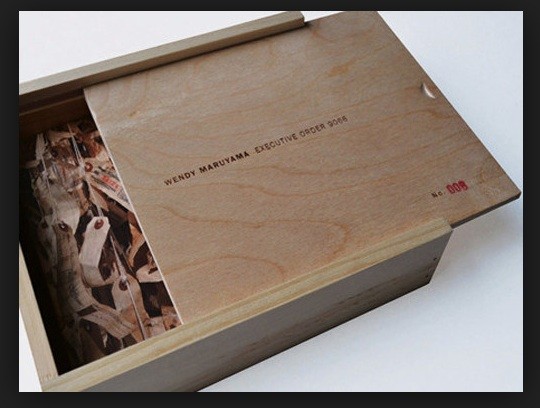
E.O. 9066
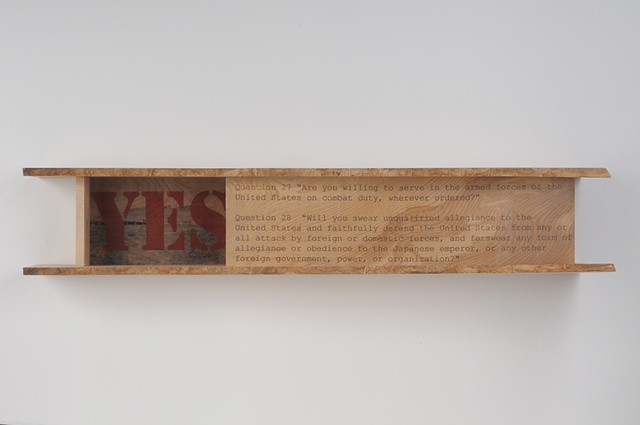
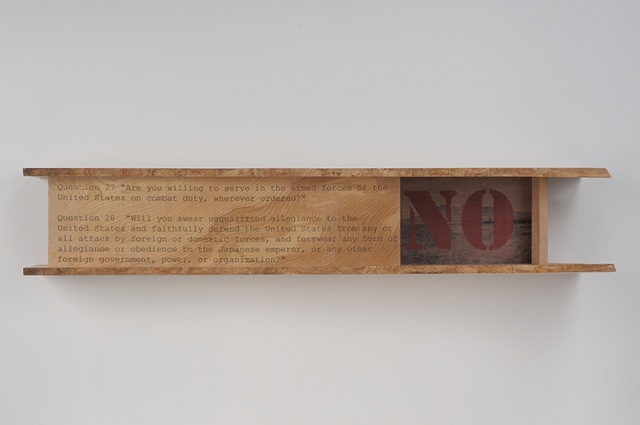
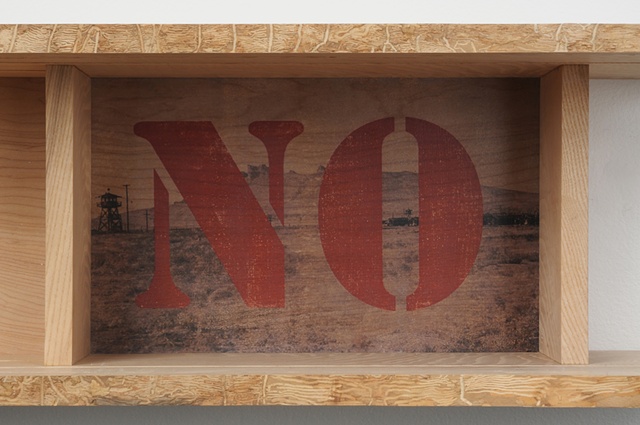
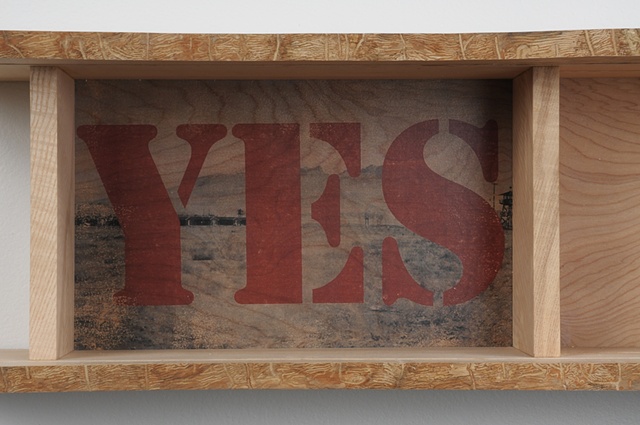
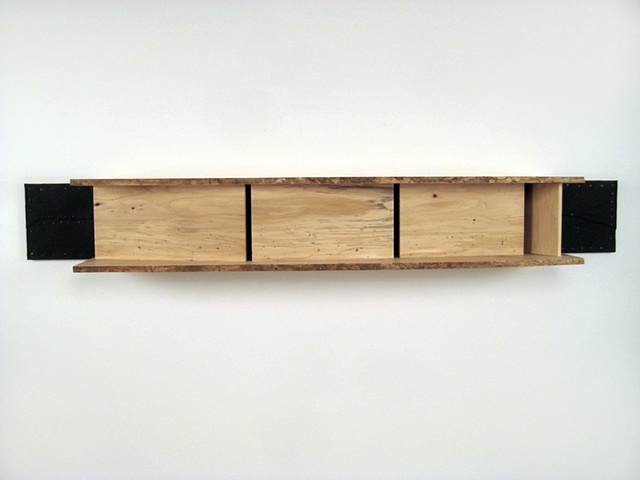
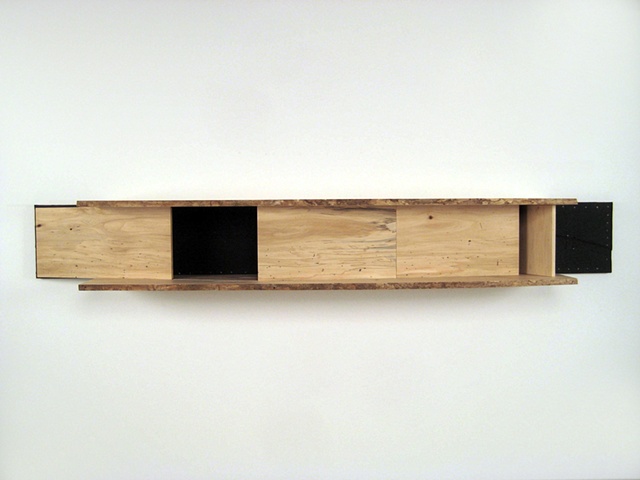
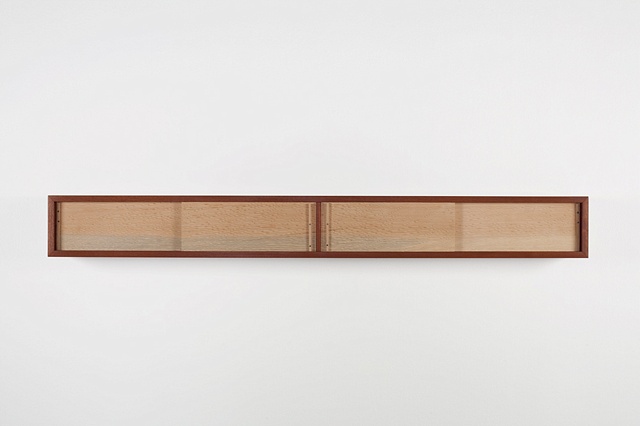
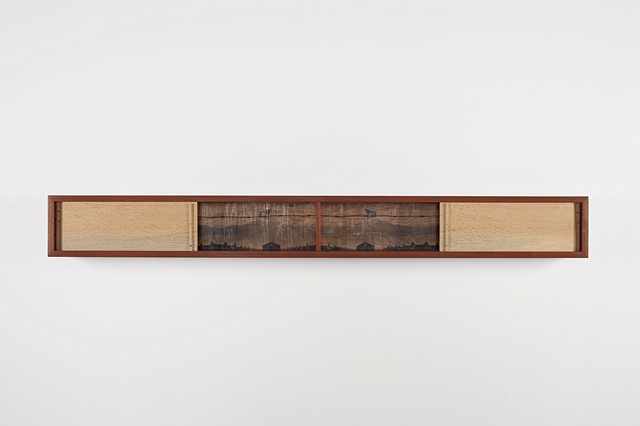
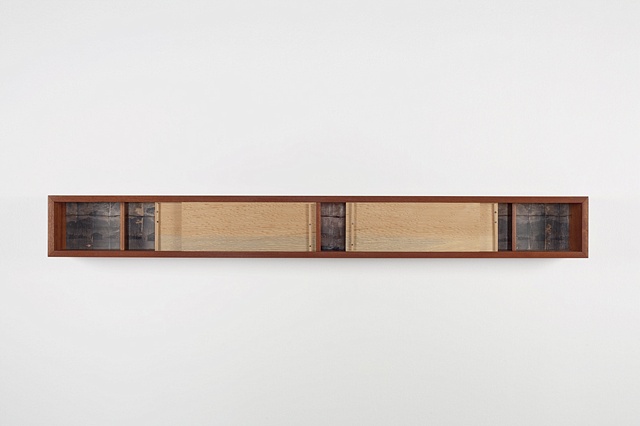
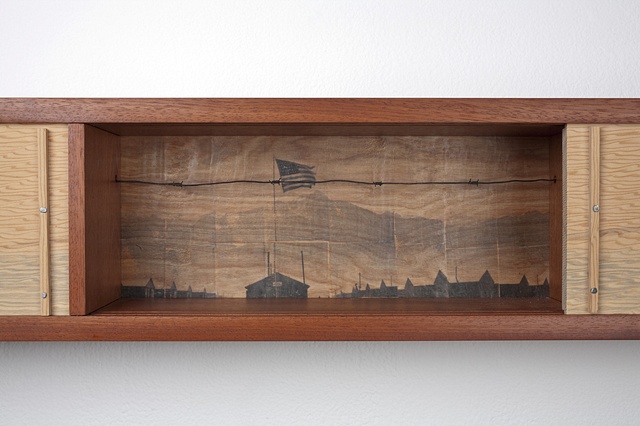
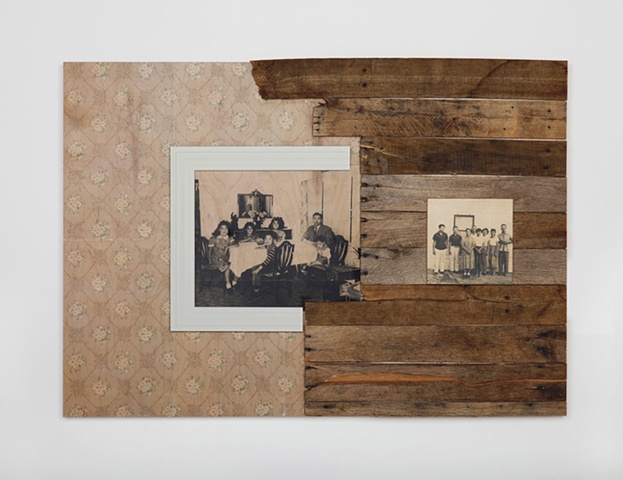
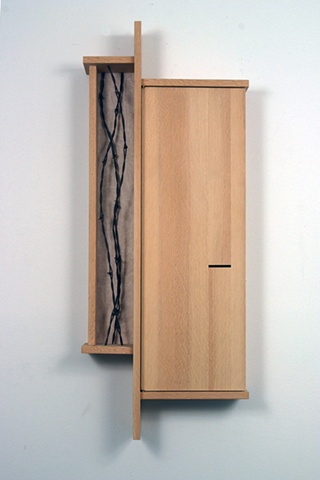
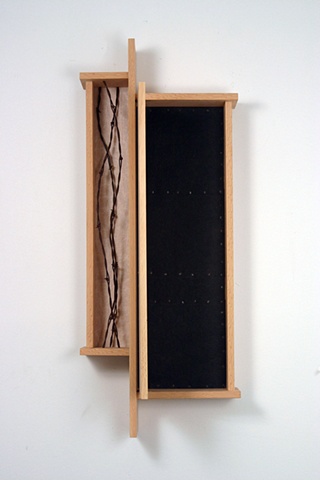
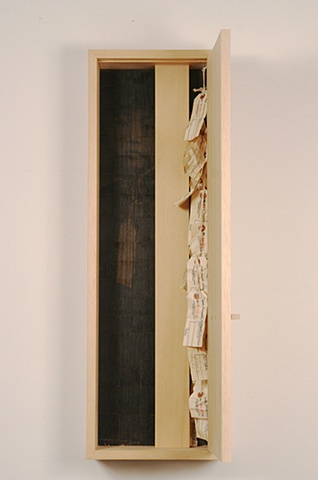
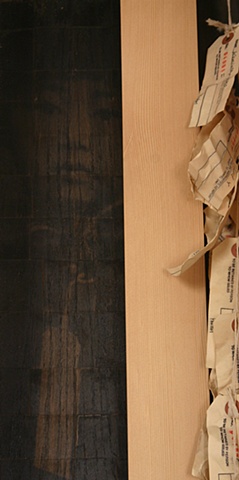
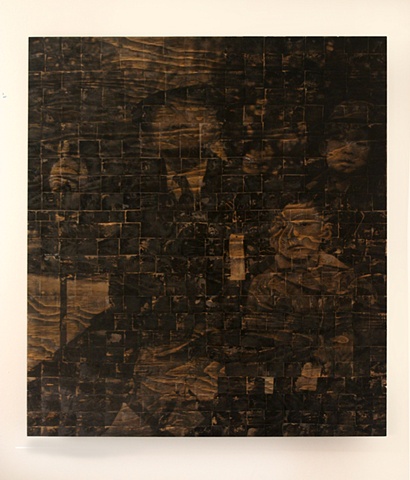
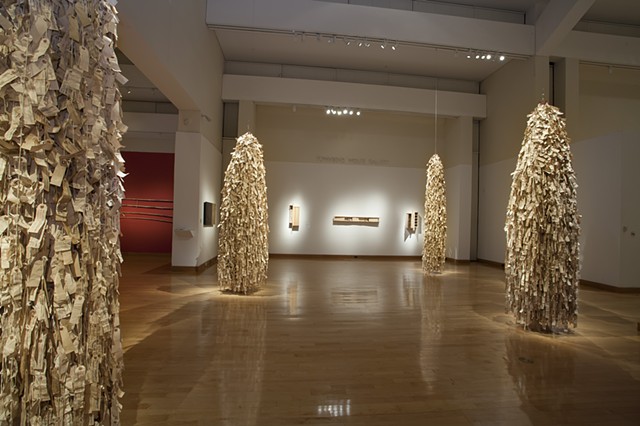
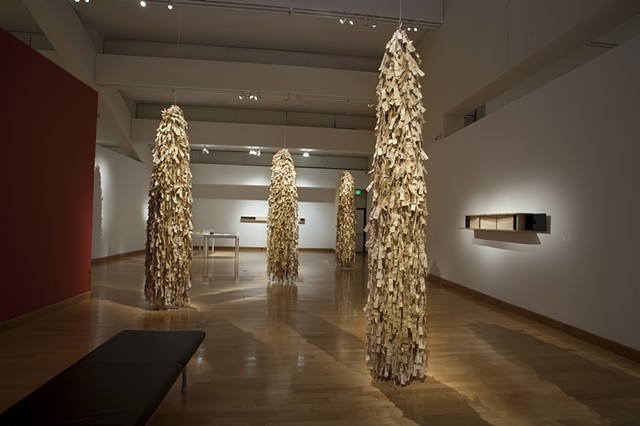
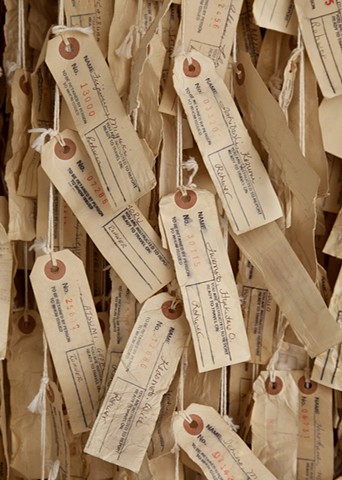
Maruyama’s body of work addressing Executive Order 9066 examines the forced incarceration of Japanese Americans during World War II and its lasting psychological and cultural impact. Issued on February 19, 1942, the order authorized the removal and detention of tens of thousands of individuals of Japanese ancestry—many of them U.S. citizens—under military authority, resulting in their confinement in camps across the western United States.
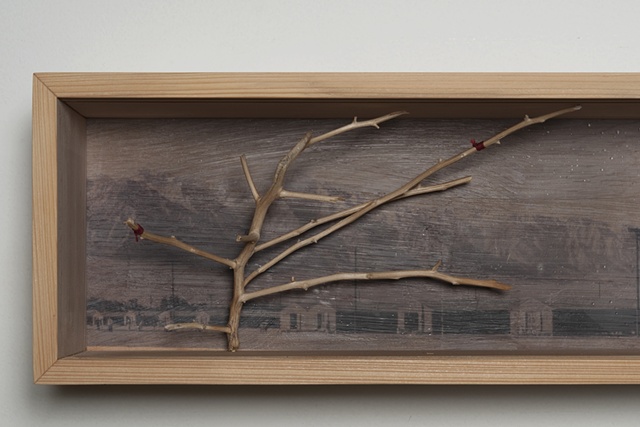
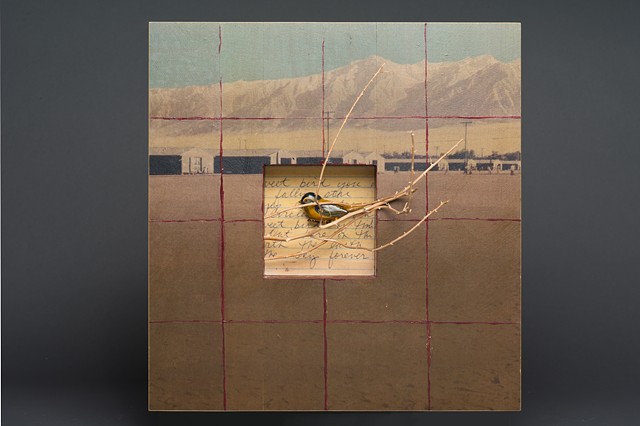
Her engagement with this history was shaped in part by the photographs of Dorothea Lange and Toyo Miyatake, which provided a powerful visual entry point into the realities of the camps. The subject is also deeply personal: members of her own family were incarcerated, though their experiences were rarely spoken about. This silence—shaped by trauma, resilience, and the desire to move forward—became a defining undercurrent in her work.
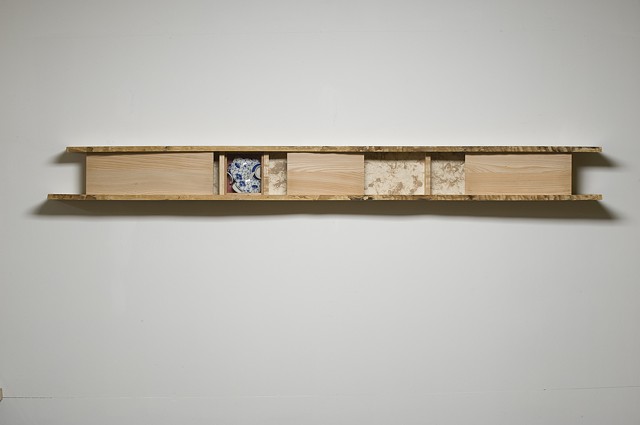
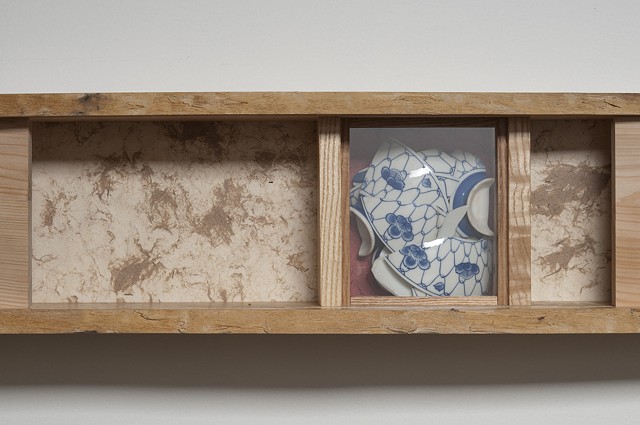
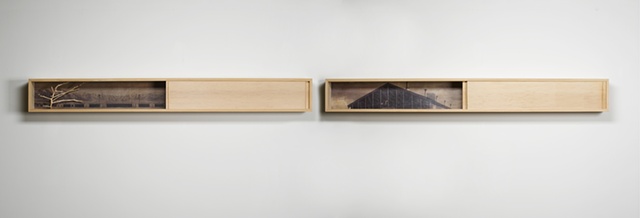
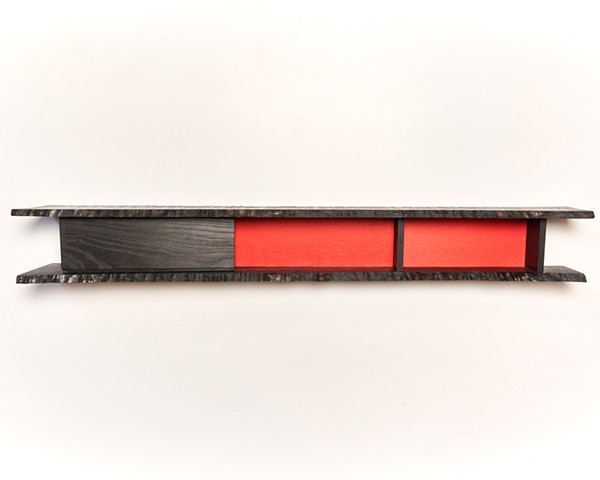
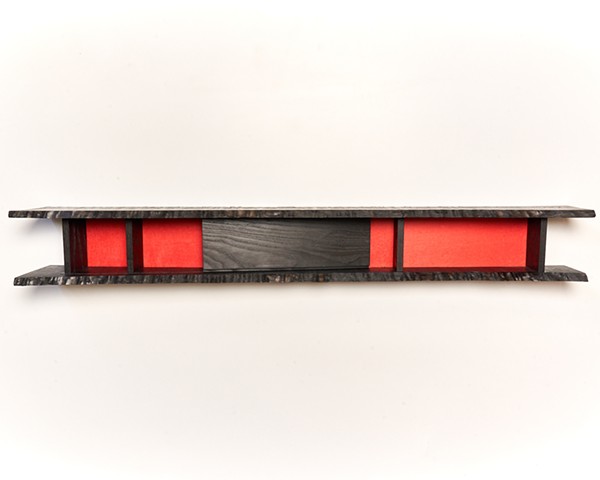
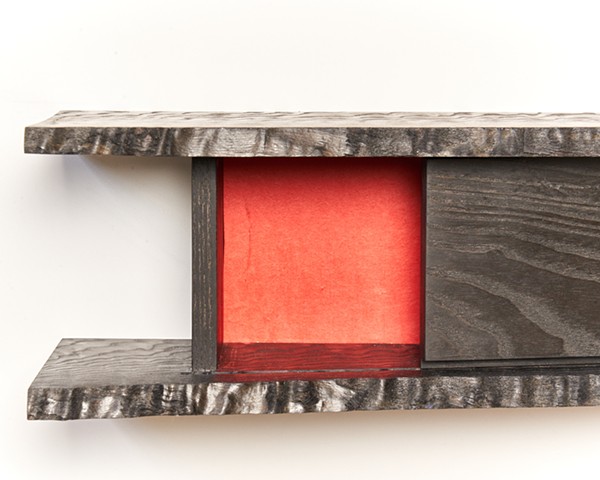
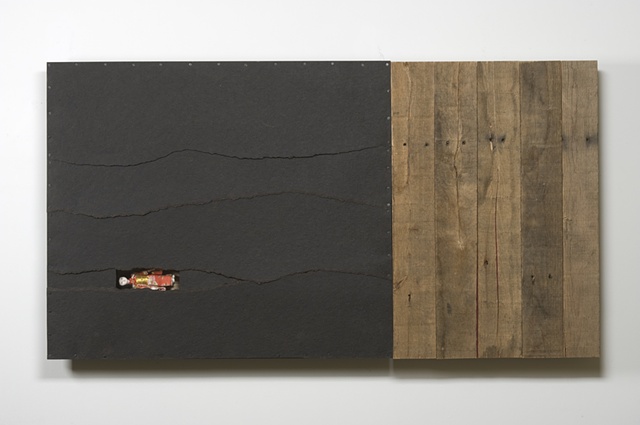
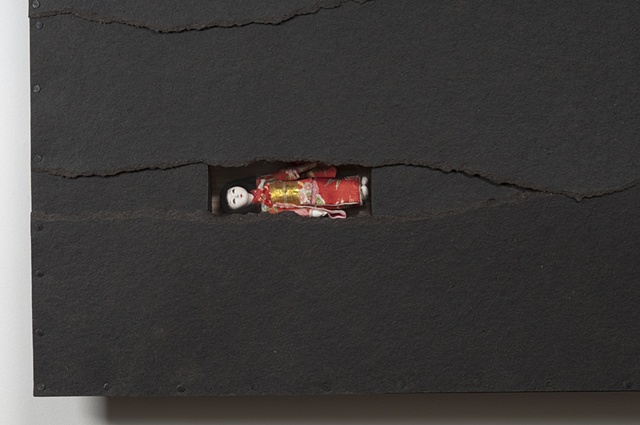
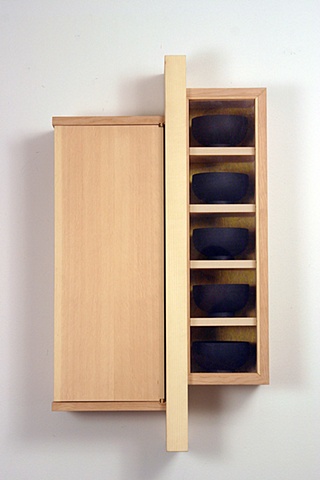
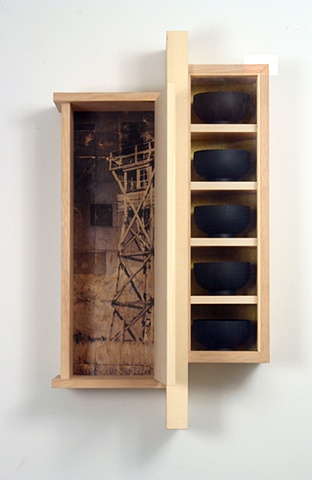
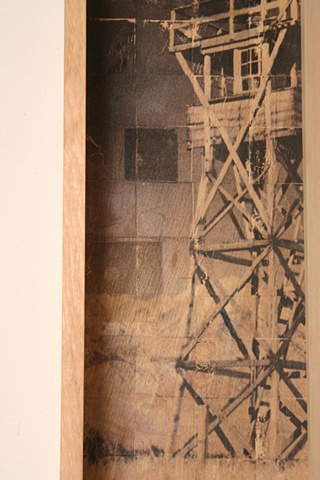
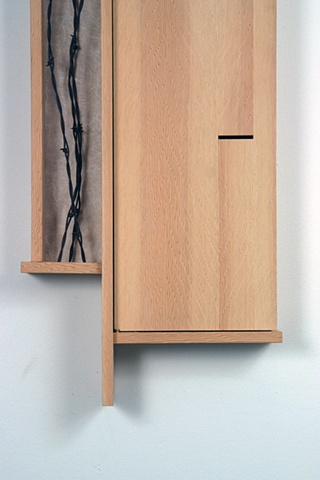
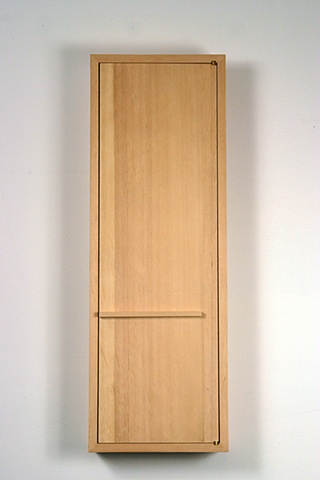
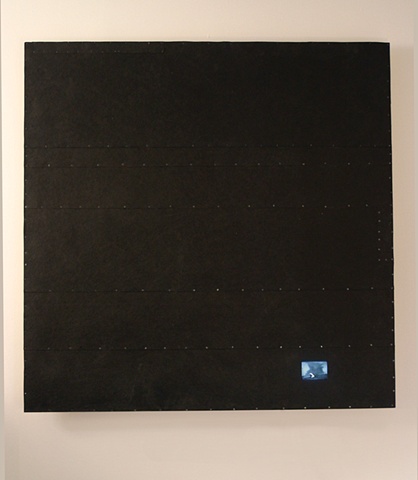
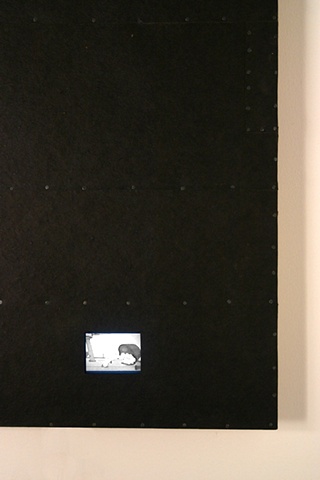
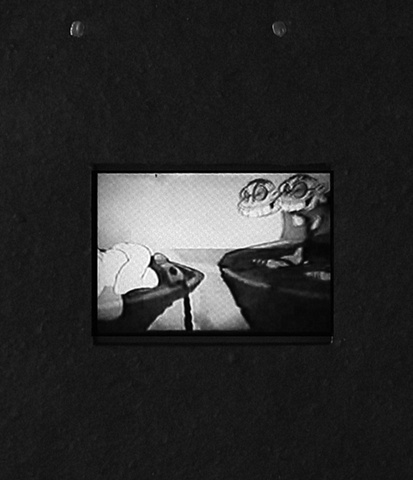
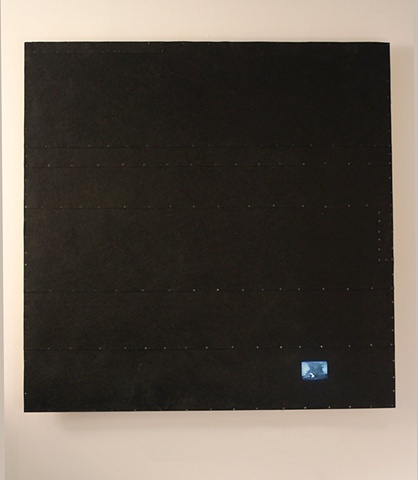
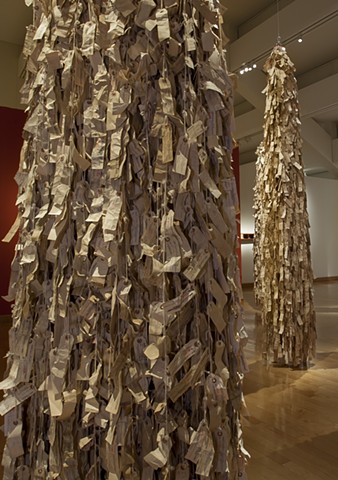
In 2008, during an artist residency at SUNY Purchase, Maruyama began an intensive period of research into Executive Order 9066 and its broader implications. Since then, her work has explored not only the physical realities of incarceration, but also the enduring effects on memory, identity, and generational consciousness. Through sculpture and installation, she reflects on absence, displacement, and the complexities of a history that is both collective and deeply personal.